
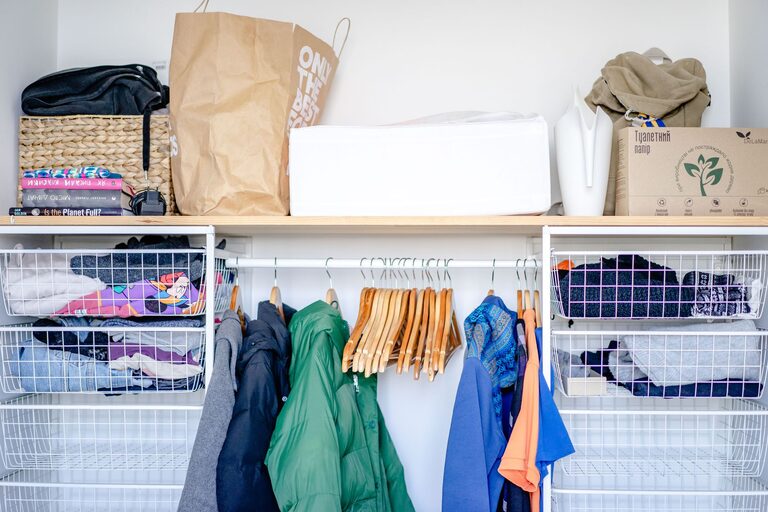
How to Store Seasonal Clothes Efficiently for a Clutter-Free Home
Storing seasonal clothes efficiently is a smart way to free up space, protect your garments, and keep your wardrobe organized throughout the year. Whether you’re switching from summer to winter wear or vice versa, proper storage techniques can save you time and hassle when it’s time to change your closet’s lineup. In this guide, we’ll explore simple, practical steps to help you store your seasonal clothing carefully and efficiently.
Why Store Seasonal Clothes Properly?
When clothes are stored incorrectly, they can become damaged, lose shape, or attract pests. Efficient storage ensures that your garments stay clean, fresh, and ready to wear when the season rolls back around. Plus, it helps reduce clutter, making it easier to find and access the clothes you need.
—
Step 1: Sort and Declutter Before Storing
Before packing your clothes away, take time to sort through them:
– Separate by category: Group your clothes by type such as sweaters, coats, dresses, or swimwear.
– Check for wear and tear: Repair any holes, missing buttons, or loose threads.
– Declutter: Donate or recycle clothes you no longer wear to free up valuable space.
Sorting helps you only store what you really need, making your storage system more efficient.
—
Step 2: Clean Clothes Before Storing
Always clean your clothes before putting them away. Dirt, sweat, and oils can attract moths, insects, and cause stains to set permanently.
– Wash or dry clean: Follow the care instructions for each garment.
– Make sure items are completely dry: Moisture can cause mildew and musty smells.
– Avoid storing dirty clothes: Even if you plan to wash them later, it’s best to start with clean clothes.
—
Step 3: Choose the Right Storage Containers
Selecting proper storage containers is essential to keep your clothes protected.
– Clear plastic bins: These are great for visibility and protection from dust and pests. Look for airtight containers if possible.
– Canvas or breathable fabric bags: Allow air circulation, reducing the risk of mildew for natural fabrics.
– Vacuum-seal bags: Useful for bulky winter clothes but avoid over-compressing delicate fabrics to prevent wrinkles and damage.
– Storage boxes with lids: Cardboard boxes can work temporarily but aren’t as protective in damp areas.
Label your containers clearly with the contents or season for easy access.
—
Step 4: Use Space-Saving Techniques
Maximize your storage space and minimize clutter with these smart techniques:
– Rolling clothes: Roll t-shirts, leggings, and lightweight items to save space and reduce wrinkles.
– Folding neatly: Use consistent folding methods to maximize container space.
– Packing cubes: Organize smaller items like scarves, hats, and gloves into cubes or pouches.
– Shelf dividers: Keep piles of folded clothes tidy and prevent them from toppling over in drawers or shelves.
– Hanging storage: Use garment bags or hanging organizers for coats and suits to retain shape.
—
Step 5: Protect Clothes from Damage
To keep your clothes in top condition during storage, consider these protection tips:
– Use cedar blocks or lavender sachets: These natural repellents help deter moths and insects without harsh chemicals.
– Avoid plastic bags for long-term storage: They can trap moisture and cause mildew.
– Store clothes in a cool, dry place: Avoid damp basements or attics with extreme temperature fluctuations.
– Keep containers off the floor: Use shelves or pallets to protect from potential water damage.
—
Step 6: Plan for Easy Access
Storing seasonal clothes doesn’t mean you won’t need to access some items occasionally.
– Store frequently used pieces on top or in front of your containers.
– Keep labels clear and visible to avoid unnecessary digging.
– Rotate seasonal bins to the front when changing wardrobes to simplify your routine.
—
Step 7: Maintain Your Storage System
Once your clothes are stored, it’s important to maintain their condition:
– Check stored clothes every few months to ensure no moisture or pests.
– Freshen up garments with a brief airing or use fabric fresheners before wearing again.
– Reassess storage containers and methods each season to improve efficiency.
—
Conclusion
Efficiently storing your seasonal clothes can make a big difference in your home’s organization and the longevity of your wardrobe. By sorting, cleaning, using the right containers, and protecting your fabrics, you’ll enjoy a clutter-free closet and have your favorite clothes ready whenever the seasons change. Try these tips to create a storage system that works well for your lifestyle and space.
Happy organizing!
