
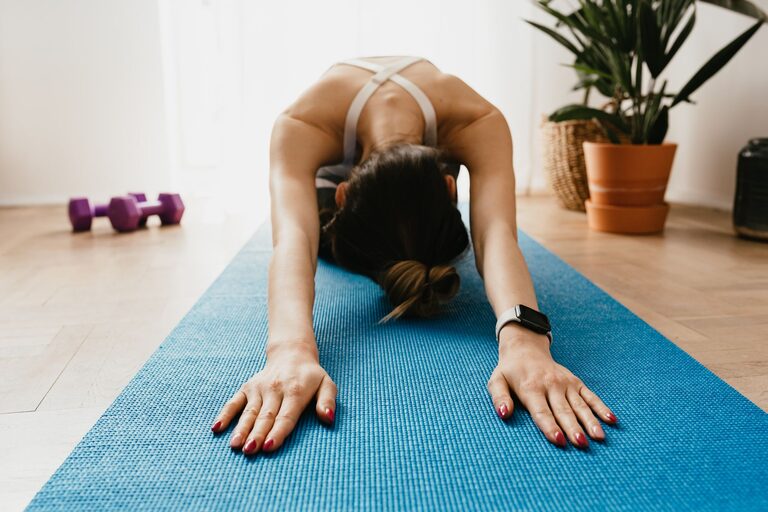
A Beginner’s Guide to Stretching at Home for Better Flexibility
Stretching is a simple yet powerful way to improve your overall health and well-being. Whether you want to increase your flexibility, reduce muscle tension, or just add a calming routine to your day, stretching at home is accessible for everyone. This beginner’s guide will help you understand the basics of stretching, show you how to create a safe routine, and introduce you to some simple stretches you can do without any special equipment.
Why Stretching Matters
Stretching offers multiple benefits beyond just increasing flexibility. It can:
– Improve posture by loosening tight muscles
– Reduce stress and promote relaxation
– Enhance circulation and blood flow
– Help prevent injuries by keeping muscles supple
– Reduce muscle soreness after exercise
By dedicating just a few minutes daily to stretching, you set the foundation for a more comfortable and mobile body.
When and How to Stretch Safely at Home
Best Time to Stretch
Many people find stretching most effective:
– After waking up: To gently wake up muscles and joints
– Before or after exercise: To prepare your body or aid recovery
– During breaks: If you’re sitting for long periods, short stretching breaks help combat stiffness
General Stretching Tips
– Warm up first: Stretching cold muscles can cause injury. Do a light warm-up like walking or marching in place for 3-5 minutes.
– Move slowly and breathe: Avoid bouncing movements. Hold each stretch gently and breathe deeply.
– Stretch to mild tension, not pain: You should feel a gentle pull but never pain.
– Hold each stretch for 15-30 seconds: This duration helps muscles relax and lengthen effectively.
– Stretch both sides equally: Maintain balance by working both sides of your body.
Basic Stretches to Start With
Here are some beginner-friendly stretches perfect for home. They target common tight areas such as the neck, shoulders, back, hips, and legs.
Neck Stretch
- Sit or stand tall with relaxed shoulders.
- Slowly tilt your head to one side, bringing your ear toward your shoulder.
- Hold for 20 seconds, feeling a stretch along the opposite side of your neck.
- Repeat on the other side.
- Stand or sit with your back straight.
- Lift your shoulders up toward your ears.
- Roll them backward in a circular motion slowly 10 times.
- Reverse direction and roll forward 10 times.
- Stand tall and clasp your hands behind your back.
- Straighten your arms and gently lift your chest while squeezing your shoulder blades together.
- Hold for 20-30 seconds, breathing steadily.
- Sit on the floor with legs extended straight ahead.
- Keep your back straight and slowly lean forward from your hips, reaching toward your toes.
- Stop when you feel a gentle stretch in the back of your thighs.
- Hold for 20-30 seconds, then sit back up slowly.
- Start on your hands and knees with a neutral spine.
- Inhale and arch your back, lifting your head and tailbone toward the ceiling ("cow" pose).
- Exhale and round your spine, tucking your chin to your chest ("cat" pose).
- Repeat the sequence 8-10 times at a slow, relaxed pace.
- Kneel on one knee with the other foot in front, forming a 90-degree angle with both legs.
- Gently push your hips forward while keeping your back straight.
- Hold for 20-30 seconds, feeling the stretch in the front of the hip of the kneeling leg.
- Switch legs and repeat.
Shoulder Rolls
Chest Opener
Seated Forward Bend (Hamstring Stretch)
Cat-Cow Stretch (Spine Mobility)
Hip Flexor Stretch
Creating a Daily Stretching Routine
To make stretching a habit, try the following approach:
– Set a specific time: Morning or evening works well for most people
– Start small: Begin with 5-10 minutes, gradually increasing as you feel comfortable
– Choose stretches that feel good: Focus on areas where you feel tight or sore
– Use reminders: Set alarms or notes to keep you consistent
Consistency is key. Over time, you’ll notice improved flexibility, less discomfort, and a greater sense of relaxation.
Additional Tips for Success
– Wear comfortable clothes that allow you to move freely.
– Use a yoga mat or soft surface for floor stretches.
– Stay hydrated to keep muscles supple.
– Avoid stretching injured or inflamed areas; consult a professional if unsure.
When to Seek Professional Advice
If you experience sharp pain, dizziness, or numbness during stretching, stop immediately and consult a healthcare provider. A physical therapist or fitness professional can help tailor a safe routine especially if you have pre-existing conditions or injuries.
—
Stretching at home is an easy, low-cost way to improve your flexibility and overall health. With these simple tips and stretches, you can build a routine that fits your lifestyle and helps you feel your best every day. Give it a try—you might be surprised how just a few minutes of stretching can make a big difference!
