
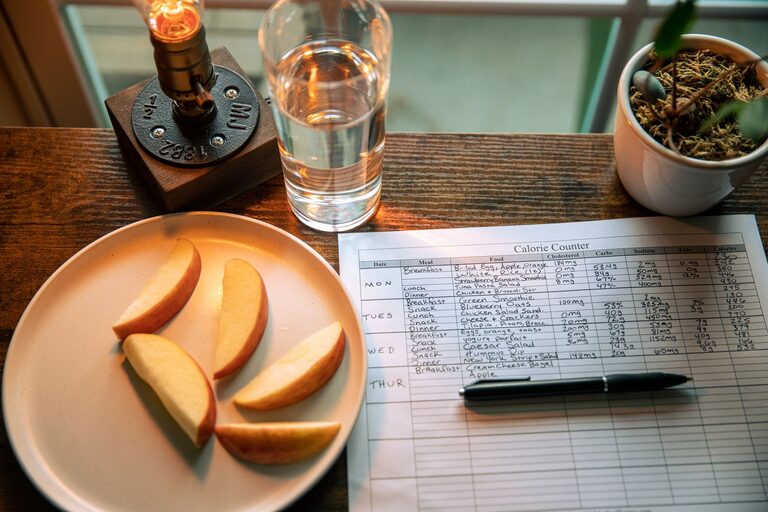
How to Plan Balanced Meals Without Stress
Planning balanced meals can sometimes feel overwhelming, especially with busy schedules and the endless stream of food choices available. However, creating nutritious meals that satisfy your body and taste buds doesn’t have to be stressful. With a few thoughtful strategies, you can simplify meal planning and enjoy healthy eating every day. In this guide, we’ll explore how to plan balanced meals without the usual stress.
What Is a Balanced Meal?
A balanced meal includes a variety of foods that provide the essential nutrients your body needs. Typically, this means incorporating:
– Protein: Helps build and repair tissues. Sources include lean meats, fish, beans, tofu, and eggs.
– Vegetables: Provide vitamins, minerals, and fiber. Aim to fill half your plate with a variety of colors.
– Whole grains: Offer energy and fiber. Examples include brown rice, quinoa, whole-wheat bread, and oats.
– Healthy fats: Support brain health and nutrient absorption. Found in nuts, seeds, avocado, and olive oil.
– Fruits: Add natural sweetness and important nutrients.
– Dairy or dairy alternatives: Supply calcium and other nutrients (optional depending on dietary needs).
By balancing these components, you create meals that support overall health and keep you satisfied.
Why Plan Meals?
Planning meals ahead of time offers several benefits:
– Saves time and energy: Knowing what you’re cooking prevents last-minute decisions.
– Reduces food waste: Buy only what you need.
– Encourages healthier choices: You’re less likely to grab fast food or convenience snacks.
– Eases grocery shopping: A list focused on your meal plan makes shopping quicker and more efficient.
– Lowers stress: Reduces the daily question, “What’s for dinner?”
Steps to Plan Balanced Meals Without Stress
1. Start with a Simple Framework
You don’t need elaborate recipes every day. Start by choosing a simple meal framework, such as:
– Protein + vegetable + whole grain
– Salad with protein and healthy fats
– Stir-fry with lots of vegetables and a grain
– Soup with beans and mixed veggies
This helps you quickly mix and match ingredients.
2. Keep Staple Ingredients on Hand
Stock your pantry and fridge with staples that form the base of many meals:
– Canned beans and lentils
– Frozen vegetables and fruits
– Whole grains like rice, quinoa, or pasta
– Basic spices and herbs
– Olive oil or another cooking oil
– Eggs and dairy or alternatives
Having these basics means you can create meals even when you haven’t shopped recently.
3. Use a Weekly Meal Planner
Writing down your meals ahead of time helps organize your week. Use a printed planner, whiteboard, or an app — whatever works best for you. Planning for just 3-4 meals a week can ease your load while allowing flexibility.
4. Batch Cook and Prep in Advance
Prepare larger portions of meals or ingredients to use throughout the week. For example:
– Cook a large pot of rice or quinoa.
– Roast several trays of mixed vegetables.
– Grill or bake chicken breasts or tofu.
– Chop salad veggies and store in containers.
This cuts down daily cooking time and makes assembling meals faster.
5. Plan for Leftovers
Design meals that produce leftovers to enjoy on busy days or for quick lunches. For example, make a big chili, stew, or pasta sauce that can be refrigerated or frozen and reheated.
6. Mix and Match
Use versatile ingredients to create variety without added stress. For instance, cooked chicken can be:
– Added to salads
– Used in wraps
– Stirred into pasta
– Turned into a sandwich
The same applies to grains and vegetables.
7. Include Your Favorite Flavors
Choose foods and seasonings you enjoy so your meals feel satisfying, not like a chore. Experiment with herbs, spices, citrus juice, or dressings to keep meals interesting.
Tips to Stay on Track
– Keep meals colorful: Different colors often indicate different nutrients.
– Listen to your hunger cues: Eat when hungry and stop when full.
– Don’t aim for perfection: Balanced meals don’t mean every bite has everything.
– Stay flexible: Swap meals or ingredients as needed.
– Involve your family: Planning and cooking together can make the process fun and stress-free.
Sample Balanced Meal Ideas
– Grilled salmon, quinoa, and steamed broccoli with lemon.
– Black bean and vegetable burrito bowl with brown rice and avocado.
– Stir-fried tofu with mixed veggies and soba noodles.
– Chicken and vegetable soup with whole-grain bread.
– Mixed greens salad topped with chickpeas, nuts, and a light vinaigrette.
Final Thoughts
Meal planning doesn’t have to be complicated or stressful. By focusing on simple frameworks, keeping nutritious staples handy, and preparing ahead, you can enjoy balanced meals that nourish your body and fit your lifestyle. Start small, be flexible, and celebrate your progress toward healthier, stress-free eating.
